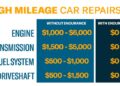
Exploring the intricate world of vehicle service contracts for used cars, this introduction aims to provide readers with a detailed insight into how these contracts function and what they entail.
In the subsequent paragraphs, we will delve into the specifics of coverage, types of contracts, claim processes, and more, offering a comprehensive understanding of this essential aspect of owning a used vehicle.
How Vehicle Service Contracts Work for Used Cars
![15+ Free Printable Vehicle Service Contract Letter [PDF]](https://auto.goodnewsfromindonesia.id/wp-content/uploads/2026/02/Vehicle-Service-Contract-1024x576-1.jpg "15+ Free Printable Vehicle Service Contract Letter [PDF]")
When it comes to used cars, vehicle service contracts provide peace of mind by covering repair costs after the manufacturer's warranty expires. These contracts, also known as extended warranties, help protect against unexpected and potentially costly repairs.
Coverage Under Vehicle Service Contracts
- Engine components
- Transmission system
- Electrical components
- Air conditioning and heating systems
- Braking system
Benefits of Having a Vehicle Service Contract
- Financial protection from expensive repairs
- Peace of mind knowing that repairs are covered
- Potential increase in the resale value of the car
Limitations and Exclusions in Vehicle Service Contracts
- Pre-existing conditions not covered
- Regular maintenance and wear-and-tear items typically not included
- Some contracts may have deductibles or coverage limits
Types of Vehicle Service Contracts
When it comes to vehicle service contracts for used cars, there are different types available to cater to varying needs and budgets. Understanding the differences between manufacturer-backed and third-party service contracts is crucial in making an informed decision. Let's delve into the specifics.Manufacturer-Backed Service Contracts
Manufacturer-backed service contracts are typically offered by the car's original manufacturer. These contracts often provide comprehensive coverage and are honored at authorized dealerships. While they may come at a higher cost, they offer the assurance of quality parts and service from the manufacturer's trained technicians.Third-Party Service Contracts
On the other hand, third-party service contracts are offered by independent companies not affiliated with the car's manufacturer. These contracts may be more affordable than manufacturer-backed options but could have limitations in coverage and repair facilities. It is essential to carefully review the terms and conditions of third-party contracts to ensure they meet your needs.Cost Variations
The cost of vehicle service contracts can vary depending on factors such as the age and mileage of the car, the level of coverage, and the provider. Manufacturer-backed contracts tend to be more expensive upfront but may offer better long-term value and peace of mind. Third-party contracts can be a cost-effective alternative, but it is essential to consider the coverage limits and deductibles.Reputable Companies
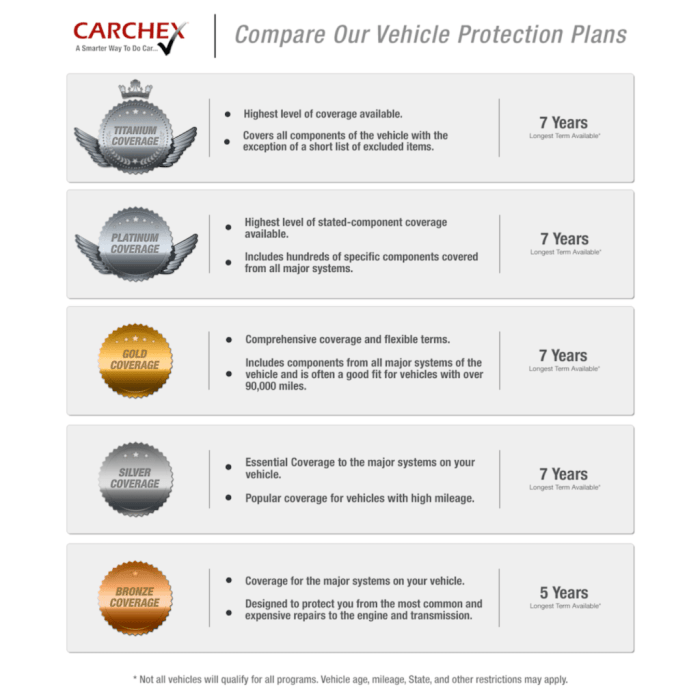
There are several reputable companies that offer vehicle service contracts for used cars. Some well-known providers include Endurance, CARCHEX, and Protect My Car. These companies have a track record of reliability and customer satisfaction, making them popular choices among car owners looking to protect their investment.Coverage Details
When it comes to vehicle service contracts for used cars, understanding the coverage details is crucial. Let's delve into the specific components or systems covered, compare different coverage options, and explore how factors like pre-existing conditions, mileage, and age can impact coverage.Components Covered under Vehicle Service Contracts
- Powertrain: Typically covers the engine, transmission, and drivetrain components.
- Bumper-to-Bumper: Offers more comprehensive coverage, including major systems like electrical, heating, and cooling.
- Comprehensive: Provides the most extensive coverage, encompassing nearly all mechanical and electrical components.
Comparing Coverage Options
- Powertrain coverage is the most basic and usually the least expensive, focusing on essential components.
- Bumper-to-Bumper warranties offer more comprehensive coverage but may come at a higher cost.
- Comprehensive warranties provide the most extensive coverage but are typically the most expensive option.
Impact of Pre-Existing Conditions
Pre-existing conditions are often excluded from coverage under a service contract. It's crucial to review the contract terms to understand what is considered a pre-existing condition.
Mileage and Age Considerations
- Higher mileage vehicles may have limited coverage options or higher premiums due to increased wear and tear.
- Older vehicles may also face limitations in coverage, especially for parts prone to failure with age.
Claim Process and Service Centers
When it comes to filing a claim under a vehicle service contract for a used car, the process typically involves contacting the warranty provider or administrator to report the issue with the vehicle. They will then guide you through the necessary steps to file a claim and get the repairs covered under the contract.Finding Authorized Service Centers
- Check the list of authorized service centers provided by the warranty provider. This list usually includes reputable repair shops that are approved to perform covered repairs.
- Use online resources or contact the warranty provider to locate authorized service centers in your area.
- Ensure that the service center you choose is familiar with the terms and conditions of your vehicle service contract to avoid any issues with claim processing.
Maintenance Requirements
- Regular maintenance and servicing of the vehicle are often required to maintain the validity of the vehicle service contract.
- Keep records of all maintenance and servicing activities as proof that the vehicle has been properly cared for.
- Adhere to the recommended maintenance schedule Artikeld in the service contract to prevent any disputes regarding claim eligibility.
Selecting a Service Center
- Choose a service center that specializes in the make and model of your vehicle for more specialized care.
- Verify that the service center is authorized by the warranty provider to perform covered repairs to ensure that your claims are processed smoothly.
- Read reviews and ask for recommendations to find a service center with a good reputation for quality work and customer service.
Final Review
In conclusion, understanding how vehicle service contracts work for used cars is crucial in ensuring peace of mind and protection against unexpected repair costs. By being aware of the coverage details and claim processes, car owners can make informed decisions to safeguard their investment in a used vehicle.
Questions Often Asked
What components are typically covered under a vehicle service contract for used cars?
Vehicle service contracts for used cars typically cover major components such as engine, transmission, electrical systems, and more. It's important to review the contract details to understand the specific coverage.
Are pre-existing conditions covered under these contracts?
Pre-existing conditions are usually not covered under vehicle service contracts for used cars. Inspecting the contract terms and conditions can provide clarity on this aspect.
How does mileage affect coverage details in a service contract for a used car?
Mileage can impact coverage details in a service contract for a used car by potentially affecting the eligibility for certain repairs or components. Understanding the mileage limits specified in the contract is essential.