
Beginning with How Automotive Dealers Use Daily Market Data to Stay Competitive, the narrative unfolds in a compelling and distinctive manner, drawing readers into a story that promises to be both engaging and uniquely memorable.
In today's competitive automotive industry, staying ahead requires dealerships to harness the power of daily market data. From understanding customer behavior to optimizing inventory and pricing strategies, the use of real-time information is crucial for success. Let's delve deeper into how automotive dealers leverage daily market data to maintain a competitive edge.
Introduction to Daily Market Data Usage in Automotive Dealerships
In the fast-paced automotive industry, daily market data plays a crucial role in helping dealerships stay competitive and make informed business decisions. By closely monitoring various data points, dealerships can adapt to market trends, understand consumer preferences, and adjust their strategies accordingly.
Types of Data Monitored by Dealerships
- Sales figures and trends
- Inventory levels
- Competitor pricing
- Consumer demographics
- Consumer preferences and buying behaviors
By analyzing these key data points on a daily basis, automotive dealerships can gain valuable insights into the market landscape and make data-driven decisions to enhance their competitiveness.
Challenges in Utilizing Daily Market Data
- Managing and analyzing large volumes of data
- Ensuring data accuracy and reliability
- Interpreting complex market trends
- Implementing changes based on data insights
Overcoming these challenges requires dealerships to invest in robust data management systems, employ skilled analysts, and stay agile in responding to the dynamic market environment.
Importance of Real-Time Market Trends
Real-time market trends play a crucial role in helping automotive dealerships stay competitive and adapt to changing consumer demands swiftly. By monitoring real-time data, dealerships can make informed decisions, optimize their inventory, and adjust pricing strategies in response to market fluctuations.Benefits of Real-Time Data vs. Historical Data
- Real-time data provides up-to-the-minute insights into consumer preferences and buying behaviors, allowing dealerships to tailor their offerings accordingly.
- Unlike historical data, real-time information enables dealerships to identify emerging trends and adjust their marketing strategies promptly to capitalize on new opportunities.
- With real-time data, automotive dealerships can react quickly to changes in competitor pricing, ensuring they remain competitive in the market.
Examples of Real-Time Market Trends Influencing Dealership Strategies
- During a spike in gas prices, dealerships may shift their focus to promoting fuel-efficient vehicles to meet consumer demand for more economical options.
- Tracking real-time data on popular features and accessories can help dealerships customize their inventory to align with current consumer preferences.
- Monitoring social media trends and sentiment in real-time allows dealerships to engage with customers effectively and address any issues promptly to maintain a positive brand image.
Tools and Technologies for Tracking Real-Time Market Trends
- Automotive dealerships utilize advanced analytics software to gather and analyze real-time market data, enabling them to make data-driven decisions.
- Market intelligence platforms provide dealerships with insights into competitor pricing, consumer sentiment, and market trends in real-time.
- Integration of customer relationship management (CRM) systems with real-time data tracking tools allows dealerships to personalize customer interactions and offer targeted promotions.
Utilizing Market Data for Inventory Management
Automotive dealers leverage daily market data to make informed decisions when it comes to managing their inventory. By analyzing real-time market trends, dealerships can optimize their stock levels and ensure they have the right vehicles available to meet customer demand.
Role of Market Data in Inventory Optimization
- Market data provides insights into consumer preferences, allowing dealers to stock popular models and trim levels.
- By tracking pricing trends and competitor inventory, dealers can adjust their pricing strategy and promotional offers to stay competitive.
- Predictive analytics based on market data help dealers forecast demand for specific vehicles, reducing the risk of overstocking or understocking.
Successful Inventory Management Strategies
- Utilizing market data to identify fast-moving vehicles and adjust inventory levels accordingly.
- Implementing dynamic pricing strategies based on market trends to maximize profitability.
- Monitoring regional market data to tailor inventory selection to local customer preferences.
Pricing Strategies Based on Market Data
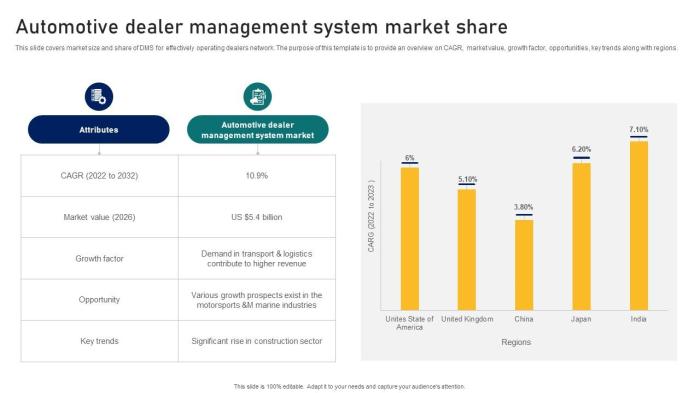
Determining Pricing Strategies
- Automotive dealers analyze daily market data to understand demand and supply dynamics in the market.
- Factors such as consumer preferences, competitor pricing, and current economic conditions are taken into consideration when setting prices.
- Dynamic pricing models are utilized to adjust prices in real-time based on market trends and customer behavior.
Adjusting Prices Based on Market Trends
- Dealerships may lower prices to attract more customers during slow sales periods or when facing stiff competition.
- Conversely, prices may be increased if there is high demand for specific vehicles or limited supply in the market.
- Market data helps dealerships identify pricing opportunities and make timely adjustments to capitalize on them.
Impact on Dealership Profitability
- Competitive pricing analysis allows dealerships to benchmark their prices against competitors and ensure they are offering competitive deals.
- By staying informed about market trends and adjusting prices accordingly, dealerships can improve sales volumes and overall profitability.
- Effective pricing strategies based on daily market data can help dealerships maintain a strong competitive edge in the automotive market.
Customer Insights and Market Data
Market data plays a crucial role in helping automotive dealers understand customer behavior, enhance customer segmentation and targeting, improve customer experience, and personalize offerings and promotions.Leveraging Market Data for Customer Segmentation
Automotive dealers use market data to segment customers based on demographics, preferences, buying behavior, and other relevant factors. By analyzing this data, dealers can tailor their marketing strategies to different customer segments, ensuring more effective targeting and engagement.
Influencing Customer Targeting with Market Data
Market data provides insights into customer preferences, trends, and purchasing patterns, allowing dealerships to target specific customer groups with relevant products and services. For example, if market data indicates a growing demand for electric vehicles among a certain demographic, dealers can adjust their inventory and marketing efforts accordingly.
Enhancing Customer Experience and Satisfaction
By leveraging market data, automotive dealerships can better understand customer needs and preferences, leading to improved customer experience and satisfaction. For instance, dealers can use data on customer feedback and buying behavior to personalize interactions, offer tailored recommendations, and provide exceptional service throughout the buying journey.
Personalizing Offerings and Promotions
Market data enables dealerships to personalize offerings and promotions based on customer preferences and behaviors. For example, dealers can use data on previous purchases, browsing history, and online interactions to create targeted promotions that resonate with individual customers, increasing the likelihood of conversion and loyalty.
Final Thoughts
As we conclude our exploration of how automotive dealers use daily market data to stay competitive, it becomes evident that leveraging real-time information is essential for success in the fast-paced industry. By understanding market trends, optimizing inventory, and implementing dynamic pricing strategies, dealerships can not only survive but thrive in the competitive landscape. Embracing the power of data-driven decision-making is key to long-term profitability and customer satisfaction.
Key Questions Answered
How can daily market data benefit automotive dealerships?
Daily market data helps dealerships understand customer behavior, optimize inventory management, adjust pricing strategies, and enhance overall competitiveness in the industry.
What tools are commonly used to track real-time market trends?
Automotive dealerships often utilize advanced analytics software, customer relationship management systems, and market intelligence platforms to monitor real-time market trends.
How do dealerships personalize offerings using market data?
By analyzing customer preferences and purchase history through market data, dealerships can tailor promotions, discounts, and services to meet individual customer needs effectively.
What role does predictive analytics play in inventory management based on market data?
Predictive analytics enables dealerships to forecast demand, optimize stocking levels, and reduce excess inventory by leveraging insights from daily market data.
Beginning with How Automotive Dealers Use Daily Market Data to Stay Competitive, the narrative unfolds in a compelling and distinctive manner, drawing readers into a story that promises to be both engaging and uniquely memorable.
In today's competitive automotive industry, staying ahead requires dealerships to harness the power of daily market data. From understanding customer behavior to optimizing inventory and pricing strategies, the use of real-time information is crucial for success. Let's delve deeper into how automotive dealers leverage daily market data to maintain a competitive edge.
Introduction to Daily Market Data Usage in Automotive Dealerships
In the fast-paced automotive industry, daily market data plays a crucial role in helping dealerships stay competitive and make informed business decisions. By closely monitoring various data points, dealerships can adapt to market trends, understand consumer preferences, and adjust their strategies accordingly.
Types of Data Monitored by Dealerships
- Sales figures and trends
- Inventory levels
- Competitor pricing
- Consumer demographics
- Consumer preferences and buying behaviors
By analyzing these key data points on a daily basis, automotive dealerships can gain valuable insights into the market landscape and make data-driven decisions to enhance their competitiveness.
Challenges in Utilizing Daily Market Data
- Managing and analyzing large volumes of data
- Ensuring data accuracy and reliability
- Interpreting complex market trends
- Implementing changes based on data insights
Overcoming these challenges requires dealerships to invest in robust data management systems, employ skilled analysts, and stay agile in responding to the dynamic market environment.
Importance of Real-Time Market Trends
Real-time market trends play a crucial role in helping automotive dealerships stay competitive and adapt to changing consumer demands swiftly. By monitoring real-time data, dealerships can make informed decisions, optimize their inventory, and adjust pricing strategies in response to market fluctuations.Benefits of Real-Time Data vs. Historical Data
- Real-time data provides up-to-the-minute insights into consumer preferences and buying behaviors, allowing dealerships to tailor their offerings accordingly.
- Unlike historical data, real-time information enables dealerships to identify emerging trends and adjust their marketing strategies promptly to capitalize on new opportunities.
- With real-time data, automotive dealerships can react quickly to changes in competitor pricing, ensuring they remain competitive in the market.
Examples of Real-Time Market Trends Influencing Dealership Strategies
- During a spike in gas prices, dealerships may shift their focus to promoting fuel-efficient vehicles to meet consumer demand for more economical options.
- Tracking real-time data on popular features and accessories can help dealerships customize their inventory to align with current consumer preferences.
- Monitoring social media trends and sentiment in real-time allows dealerships to engage with customers effectively and address any issues promptly to maintain a positive brand image.
Tools and Technologies for Tracking Real-Time Market Trends
- Automotive dealerships utilize advanced analytics software to gather and analyze real-time market data, enabling them to make data-driven decisions.
- Market intelligence platforms provide dealerships with insights into competitor pricing, consumer sentiment, and market trends in real-time.
- Integration of customer relationship management (CRM) systems with real-time data tracking tools allows dealerships to personalize customer interactions and offer targeted promotions.
Utilizing Market Data for Inventory Management
Automotive dealers leverage daily market data to make informed decisions when it comes to managing their inventory. By analyzing real-time market trends, dealerships can optimize their stock levels and ensure they have the right vehicles available to meet customer demand.
Role of Market Data in Inventory Optimization
- Market data provides insights into consumer preferences, allowing dealers to stock popular models and trim levels.
- By tracking pricing trends and competitor inventory, dealers can adjust their pricing strategy and promotional offers to stay competitive.
- Predictive analytics based on market data help dealers forecast demand for specific vehicles, reducing the risk of overstocking or understocking.
Successful Inventory Management Strategies
- Utilizing market data to identify fast-moving vehicles and adjust inventory levels accordingly.
- Implementing dynamic pricing strategies based on market trends to maximize profitability.
- Monitoring regional market data to tailor inventory selection to local customer preferences.
Pricing Strategies Based on Market Data
Determining Pricing Strategies
- Automotive dealers analyze daily market data to understand demand and supply dynamics in the market.
- Factors such as consumer preferences, competitor pricing, and current economic conditions are taken into consideration when setting prices.
- Dynamic pricing models are utilized to adjust prices in real-time based on market trends and customer behavior.
Adjusting Prices Based on Market Trends
- Dealerships may lower prices to attract more customers during slow sales periods or when facing stiff competition.
- Conversely, prices may be increased if there is high demand for specific vehicles or limited supply in the market.
- Market data helps dealerships identify pricing opportunities and make timely adjustments to capitalize on them.
Impact on Dealership Profitability
- Competitive pricing analysis allows dealerships to benchmark their prices against competitors and ensure they are offering competitive deals.
- By staying informed about market trends and adjusting prices accordingly, dealerships can improve sales volumes and overall profitability.
- Effective pricing strategies based on daily market data can help dealerships maintain a strong competitive edge in the automotive market.
Customer Insights and Market Data
Market data plays a crucial role in helping automotive dealers understand customer behavior, enhance customer segmentation and targeting, improve customer experience, and personalize offerings and promotions.Leveraging Market Data for Customer Segmentation
Automotive dealers use market data to segment customers based on demographics, preferences, buying behavior, and other relevant factors. By analyzing this data, dealers can tailor their marketing strategies to different customer segments, ensuring more effective targeting and engagement.
Influencing Customer Targeting with Market Data
Market data provides insights into customer preferences, trends, and purchasing patterns, allowing dealerships to target specific customer groups with relevant products and services. For example, if market data indicates a growing demand for electric vehicles among a certain demographic, dealers can adjust their inventory and marketing efforts accordingly.
Enhancing Customer Experience and Satisfaction
By leveraging market data, automotive dealerships can better understand customer needs and preferences, leading to improved customer experience and satisfaction. For instance, dealers can use data on customer feedback and buying behavior to personalize interactions, offer tailored recommendations, and provide exceptional service throughout the buying journey.
Personalizing Offerings and Promotions
Market data enables dealerships to personalize offerings and promotions based on customer preferences and behaviors. For example, dealers can use data on previous purchases, browsing history, and online interactions to create targeted promotions that resonate with individual customers, increasing the likelihood of conversion and loyalty.
Final Thoughts
As we conclude our exploration of how automotive dealers use daily market data to stay competitive, it becomes evident that leveraging real-time information is essential for success in the fast-paced industry. By understanding market trends, optimizing inventory, and implementing dynamic pricing strategies, dealerships can not only survive but thrive in the competitive landscape. Embracing the power of data-driven decision-making is key to long-term profitability and customer satisfaction.
Key Questions Answered
How can daily market data benefit automotive dealerships?
Daily market data helps dealerships understand customer behavior, optimize inventory management, adjust pricing strategies, and enhance overall competitiveness in the industry.
What tools are commonly used to track real-time market trends?
Automotive dealerships often utilize advanced analytics software, customer relationship management systems, and market intelligence platforms to monitor real-time market trends.
How do dealerships personalize offerings using market data?
By analyzing customer preferences and purchase history through market data, dealerships can tailor promotions, discounts, and services to meet individual customer needs effectively.
What role does predictive analytics play in inventory management based on market data?
Predictive analytics enables dealerships to forecast demand, optimize stocking levels, and reduce excess inventory by leveraging insights from daily market data.


![15+ Free Printable Vehicle Service Contract Letter [PDF]](https://auto.goodnewsfromindonesia.id/wp-content/uploads/2026/02/Vehicle-Service-Contract-1024x576-1.jpg)