How to Avoid Overpaying for Auto Insurance delves into the intricacies of navigating the world of auto insurance to ensure you're getting the best deal possible. From understanding insurance rates to taking advantage of discounts, this guide covers it all in a clear and concise manner.
As we embark on this journey, let's unravel the secrets to optimizing your auto insurance coverage without breaking the bank.
Understand Auto Insurance Rates
 When it comes to auto insurance rates, there are several factors that can influence how much you pay for coverage. Understanding these factors can help you make informed decisions when shopping for insurance.
Demographics and Insurance Premiums
- Age: Younger drivers typically pay higher premiums due to their lack of driving experience and higher likelihood of accidents.
- Gender: Statistics show that male drivers tend to be involved in more accidents than female drivers, leading to higher premiums for men.
- Marital Status: Married individuals are often perceived as more responsible and may receive lower rates compared to single drivers.
Vehicle Type and Usage
- Car Make and Model: Luxury vehicles or sports cars may have higher insurance costs due to their higher repair or replacement costs.
- Usage: Commuting long distances or using your vehicle for business purposes can also increase your insurance rates.
- Safety Features: Vehicles equipped with safety features like anti-theft devices or airbags may qualify for discounts on insurance premiums.
Shop Around for Quotes
When it comes to auto insurance, getting quotes from multiple providers is crucial in order to avoid overpaying and find the best coverage for your needs. By comparing different quotes, you can ensure that you are getting the most competitive rates available in the market.Importance of Comparing Quotes
- Allows you to see the range of prices offered by different insurers.
- Helps you identify any potential discounts or special offers that may apply to you.
- Gives you the opportunity to tailor your coverage to your specific needs and budget.
Tips for Requesting Accurate Quotes
- Provide accurate information about your driving history, vehicle, and coverage needs.
- Ask about any available discounts or incentives that could lower your premium.
- Consider bundling policies or adjusting deductibles to see how they affect the quotes.
Benefits of Using Online Comparison Tools
- Save time by getting multiple quotes from different insurers in one place.
- Compare coverage options side by side to make an informed decision.
- Access to customer reviews and ratings to help you choose a reputable insurer.
Evaluate Coverage Needs
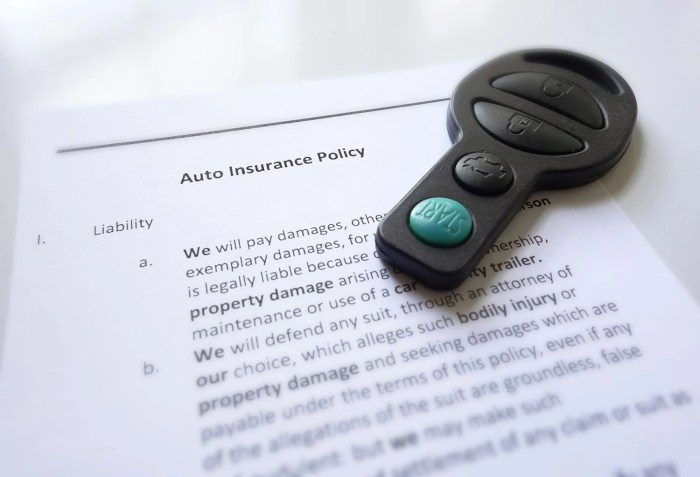 When it comes to auto insurance, understanding the different types of coverage available and assessing your personal needs is crucial. It's important to strike a balance between coverage levels and deductibles to ensure you are adequately protected without overpaying.
Types of Auto Insurance Coverage
- Liability Coverage: This covers damages and injuries you cause to others in an accident.
- Collision Coverage: This pays for damages to your vehicle in the event of a collision.
- Comprehensive Coverage: This protects your vehicle from non-collision incidents like theft, vandalism, or natural disasters.
- Personal Injury Protection (PIP): This covers medical expenses for you and your passengers regardless of fault.
- Uninsured/Underinsured Motorist Coverage: This helps cover costs if you're in an accident with a driver who has insufficient insurance.
Assessing Personal Coverage Needs
- Consider the value of your vehicle and how much you can afford to pay out of pocket in case of an accident.
- Think about your driving habits, the area you live in, and the likelihood of certain risks.
- Review state requirements and determine if additional coverage is needed for your peace of mind.
Significance of Balancing Coverage Levels and Deductibles
- Higher coverage levels offer more protection but come with higher premiums.
- Choosing a higher deductible can help lower premiums, but you'll pay more out of pocket in the event of a claim.
- Find a balance that suits your budget while providing adequate coverage for your needs.
Review and Understand Policy Details
When it comes to auto insurance, it is crucial to carefully review and understand the policy details. Failing to do so could lead to misunderstandings, coverage gaps, or unexpected costs down the road. Here are some tips to help you navigate through the policy documents effectively.Importance of Reading Policy Documents Carefully
- Take the time to read through the entire policy document to grasp the coverage, exclusions, limitations, and terms.
- Pay attention to the policy effective dates, renewal terms, and any changes in coverage or premiums.
- Understand the deductibles, limits of liability, and any additional coverage options you have chosen.
Tips on Understanding Policy Terms and Conditions
- Look up any unfamiliar terms or phrases in the glossary section of the policy document or consult with your insurance agent for clarification.
- Ask questions if you are unsure about any aspect of the policy and seek clarification to avoid misunderstandings later on.
- Keep a record of any amendments, endorsements, or communications related to your policy for future reference.
Common Areas Where Individuals May Overlook Important Details
- Policy Exclusions: Make sure you are aware of what is not covered under your policy to avoid surprises when filing a claim.
- Policy Limits: Understand the maximum amounts your policy will pay out for different types of claims to avoid underinsuring yourself.
- Coverage Extensions: Be aware of any optional coverages or endorsements that you may have added to your policy for enhanced protection.
Take Advantage of Discounts
When it comes to saving on auto insurance, taking advantage of discounts can significantly reduce your overall costs. Insurance companies offer various discounts that policyholders can qualify for based on different factors. By understanding these discounts and how to qualify for them, you can maximize your savings on auto insuranceCommon Auto Insurance Discounts
- Multi-policy discount: This discount is offered when you bundle multiple insurance policies, such as auto and home insurance, with the same company.
- Safe driver discount: If you have a clean driving record with no accidents or traffic violations, you may qualify for a safe driver discount.
- Good student discount: Students with good grades, typically a B average or higher, may be eligible for a discount on their auto insurance.
- Affinity group discount: Some insurance companies offer discounts to members of certain organizations or groups.
- Low mileage discount: If you drive fewer miles than the average driver, you may qualify for a low mileage discount.
Strategies for Qualifying for Discounts
- Drive safely and maintain a clean driving record to qualify for safe driver discounts.
- Show proof of good grades if you are a student to qualify for a good student discount.
- Research and join affinity groups or organizations that offer discounts on auto insurance.
- Consider taking a defensive driving course to improve your driving skills and potentially qualify for a discount.
Benefits of Bundling Policies
Bundling policies, such as combining your auto and home insurance, can lead to significant savings on your insurance costs. By bundling, insurance companies often offer discounts on each policy, resulting in lower overall premiums. Additionally, having all your policies with one insurer can streamline the claims process and make managing your insurance easier.Maintain a Good Driving Record
Maintaining a good driving record is crucial when it comes to keeping your auto insurance premiums low. Insurance companies often reward safe drivers with lower rates, as they are considered to be less risky to insure.Tips for Avoiding Traffic Violations and Accidents
- Follow traffic laws: Obeying speed limits, traffic signals, and road signs can help you avoid tickets and accidents.
- Avoid distractions: Stay focused on the road by minimizing distractions like texting, eating, or adjusting the radio while driving.
- Practice defensive driving: Anticipate the actions of other drivers and be prepared to react to unexpected situations.
- Maintain your vehicle: Regular maintenance can help prevent breakdowns and accidents caused by faulty equipment.
Long-Term Impact of Maintaining a Good Driving History
By consistently driving safely and avoiding accidents, you can establish a positive track record with your insurance company. This can lead to lower premiums, better coverage options, and overall savings on your auto insurance in the long run.
Consider Higher Deductibles
When it comes to auto insurance, the deductible is the amount of money you must pay out of pocket before your insurance kicks in to cover a claim. Understanding the relationship between deductibles and insurance premiums is crucial in making an informed decision about your coverage.Benefits of Opting for Higher Deductibles
Opting for higher deductibles can lead to lower monthly insurance premiums. By increasing your deductible, you are essentially taking on more financial responsibility in the event of a claim. This reduced risk for the insurance company often translates to lower premium costs for you as the policyholder.- Higher deductibles can help you save money on your monthly premiums, making auto insurance more affordable.
- Choosing a higher deductible can incentivize safer driving habits, as you may be more cautious to avoid accidents that could result in costly deductible payments.
- For individuals with emergency savings or funds set aside for unexpected expenses, higher deductibles can be a financially savvy choice.
Financial Implications of Different Deductible Levels
The financial implications of selecting different deductible levels can vary depending on your individual circumstances. Before choosing a deductible amount, it's essential to consider your budget, risk tolerance, and ability to cover the deductible in the event of a claim.- Opting for a higher deductible can lead to significant savings on your monthly premiums, but it also means you'll need to pay more out of pocket if you have a claim.
- Conversely, selecting a lower deductible may result in higher monthly premiums, but you'll have a lower out-of-pocket expense in the event of an accident.
- It's important to strike a balance between your deductible amount and your financial situation to ensure you're adequately protected without overpaying for coverage.
Seek Professional Advice
Consulting with insurance agents or brokers can provide valuable insights and guidance when it comes to navigating the complex world of auto insurance. These professionals have in-depth knowledge of the insurance industry and can help you find the best coverage options that align with your needs and budget.Effective Communication of Coverage Needs and Budget Constraints
- Clearly communicate your coverage needs, such as the type of coverage you require and the level of protection you desire.
- Discuss your budget constraints upfront to ensure that the insurance agent or broker can tailor the options accordingly.
- Be open to asking questions and seeking clarification on any terms or aspects of the policy that you may not fully understand.
Navigating Complex Insurance Policies or Terms
- Insurance agents or brokers can help decipher complex insurance policies and terms, making it easier for you to understand what you are getting.
- Ask for explanations in simple terms and request examples or scenarios to better grasp how the policy works.
- Take notes during discussions to refer back to important points and ensure you are making informed decisions.
Last Word
In conclusion, mastering the art of avoiding overpaying for auto insurance is within reach with the right knowledge and strategies. By implementing the tips Artikeld in this guide, you can secure the coverage you need at a price that fits your budget.
FAQ Section
How can I lower my auto insurance rates?
To lower your auto insurance rates, consider factors like maintaining a clean driving record, taking advantage of discounts, and comparing quotes from different providers.
What are some common auto insurance discounts available?
Common auto insurance discounts include multi-policy discounts, safe driver discounts, and discounts for vehicle safety features.
Is it necessary to have full coverage auto insurance?
Whether you need full coverage auto insurance depends on factors like the age and value of your vehicle, your driving habits, and your financial situation.
How do I know if I have enough coverage for my vehicle?
To determine if you have enough coverage, assess your vehicle's value, your risk tolerance, and any state requirements for minimum coverage.

![15+ Free Printable Vehicle Service Contract Letter [PDF]](https://auto.goodnewsfromindonesia.id/wp-content/uploads/2026/02/Vehicle-Service-Contract-1024x576-1.jpg)